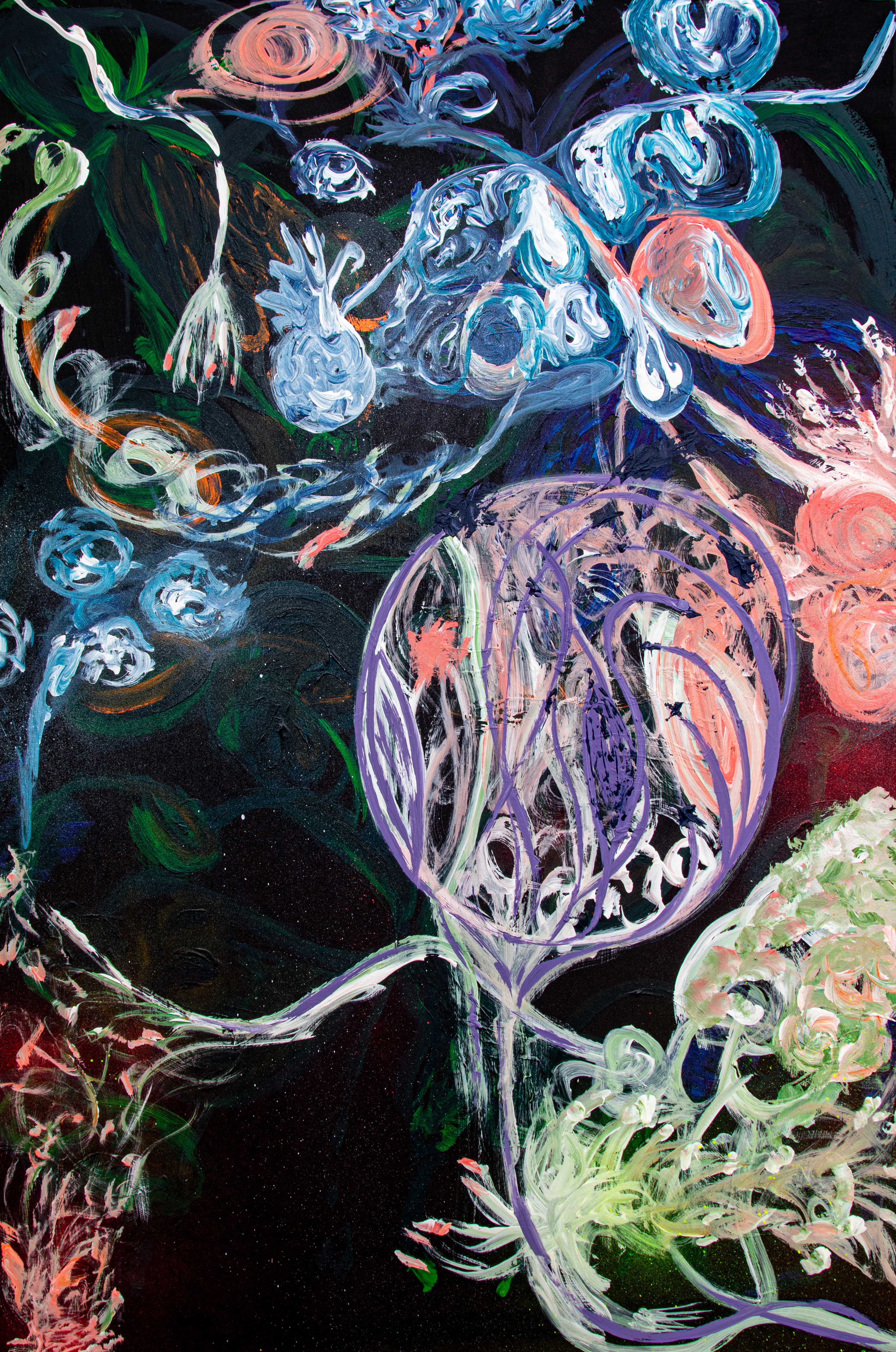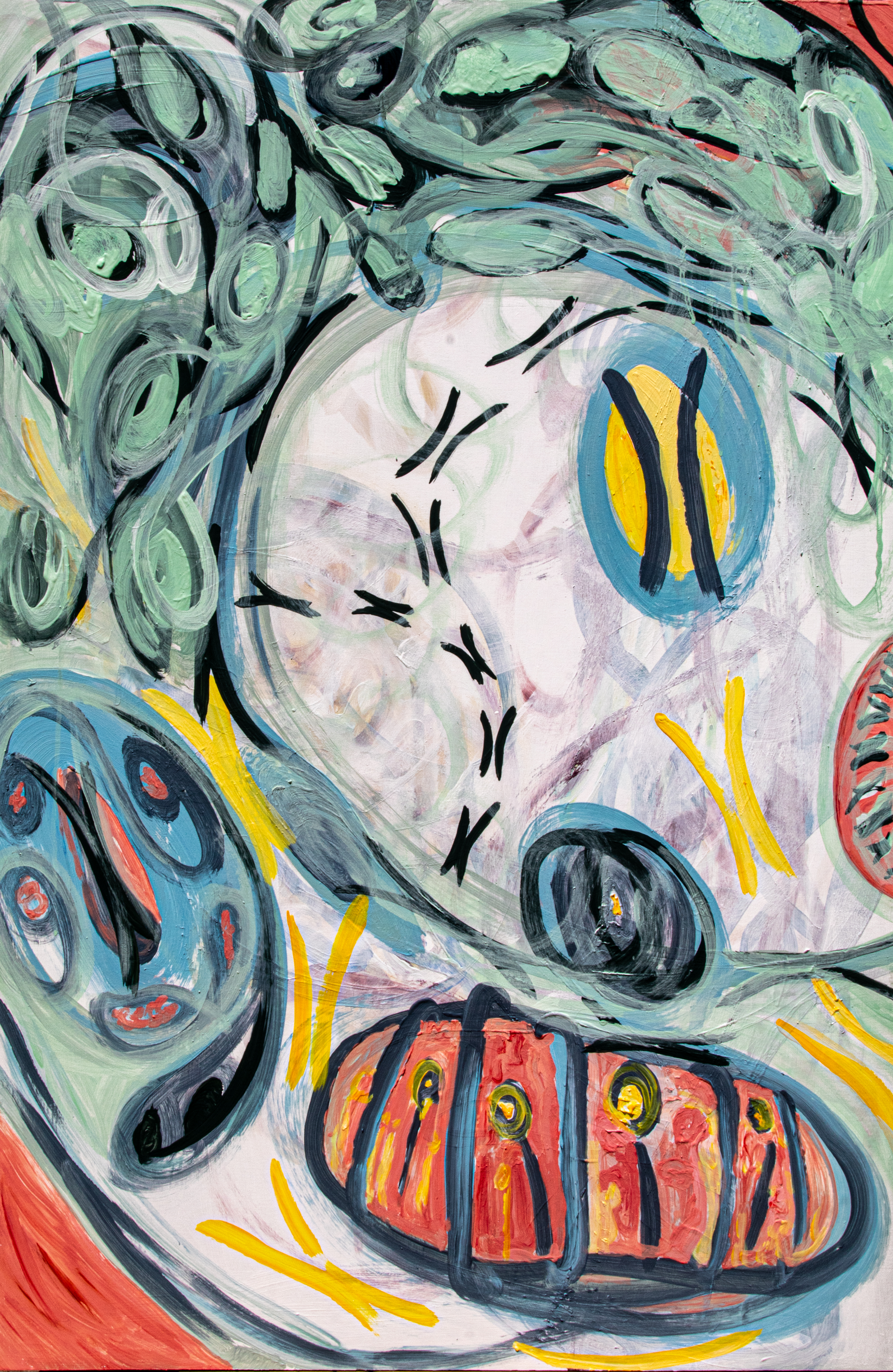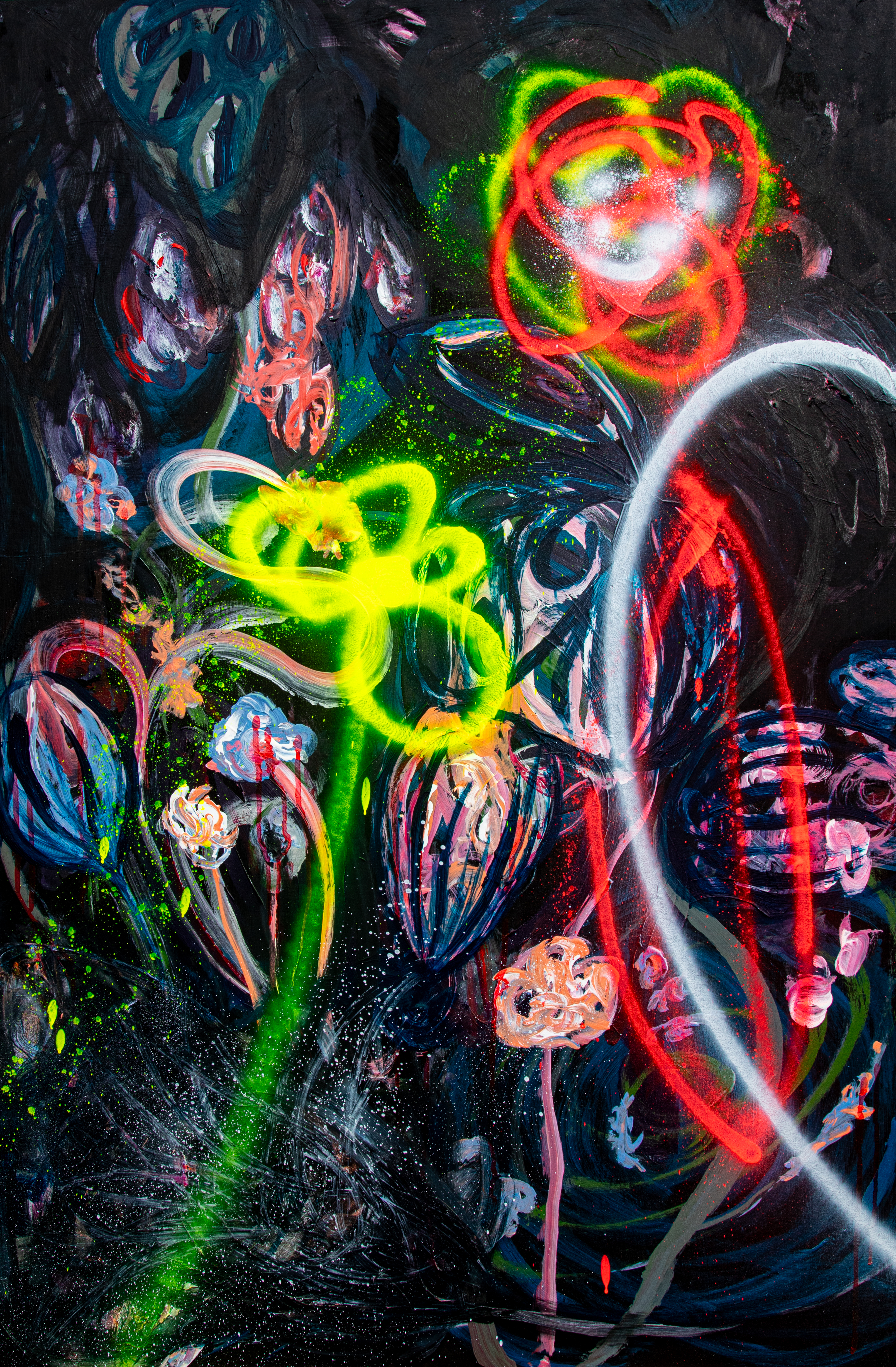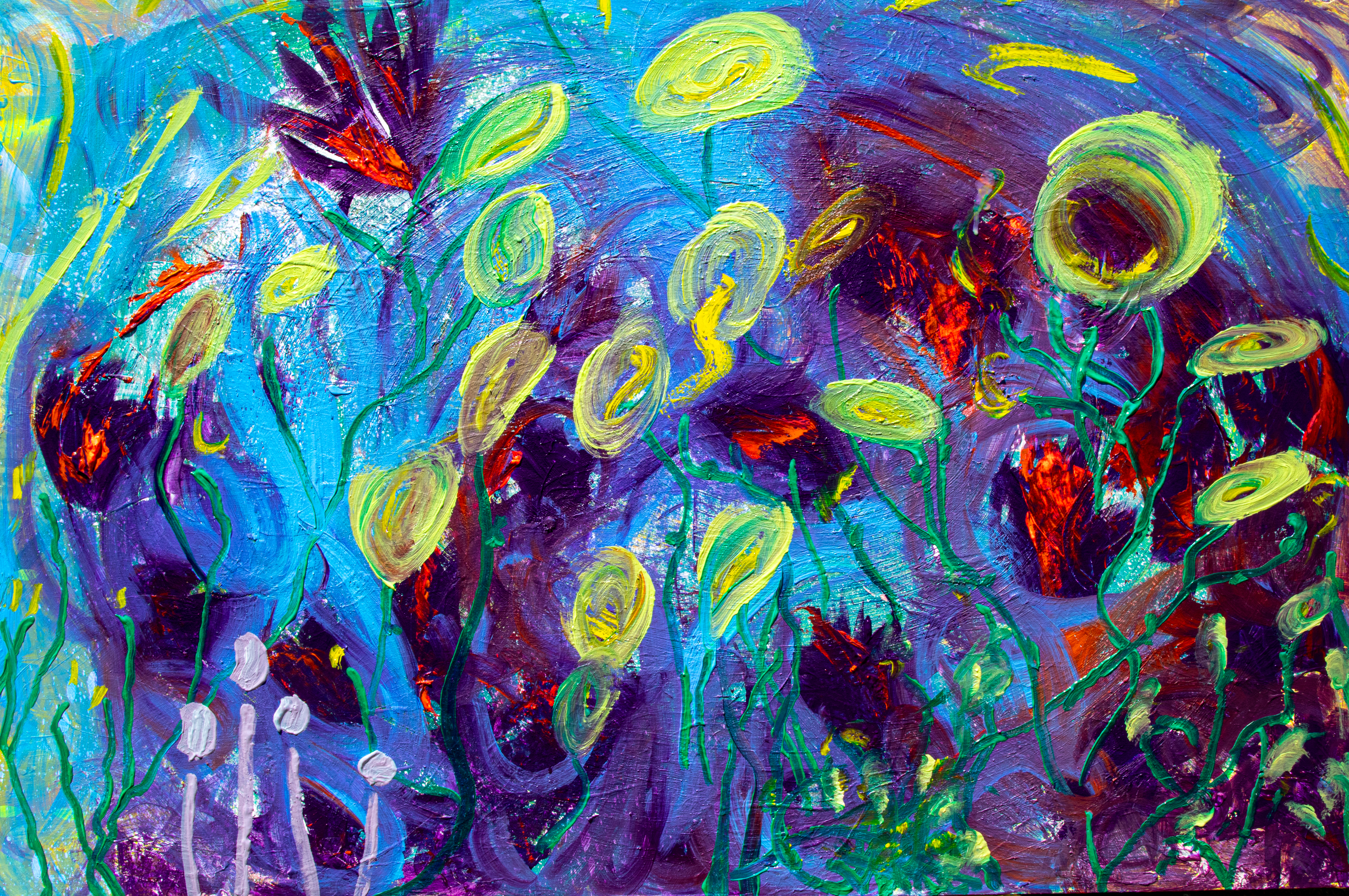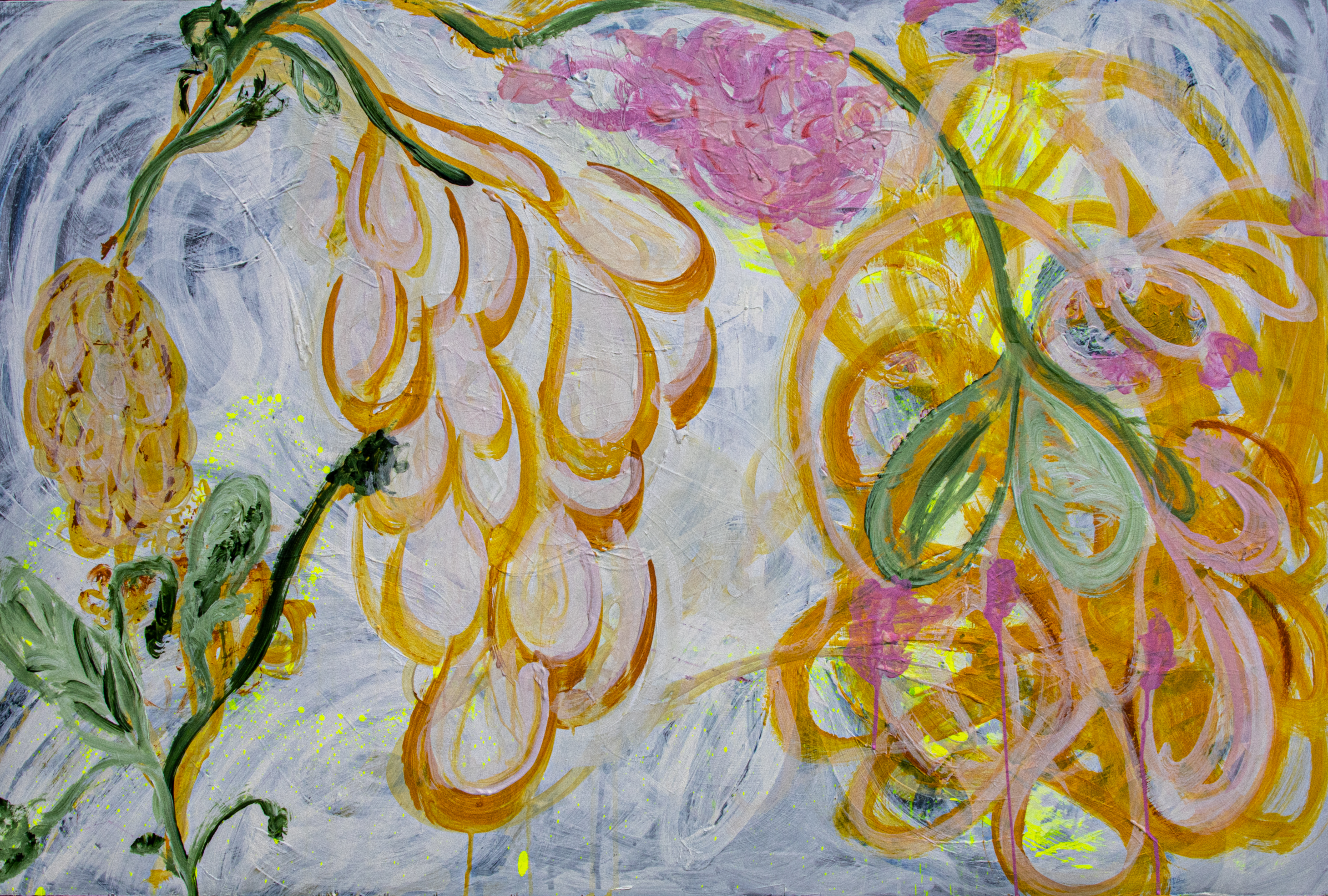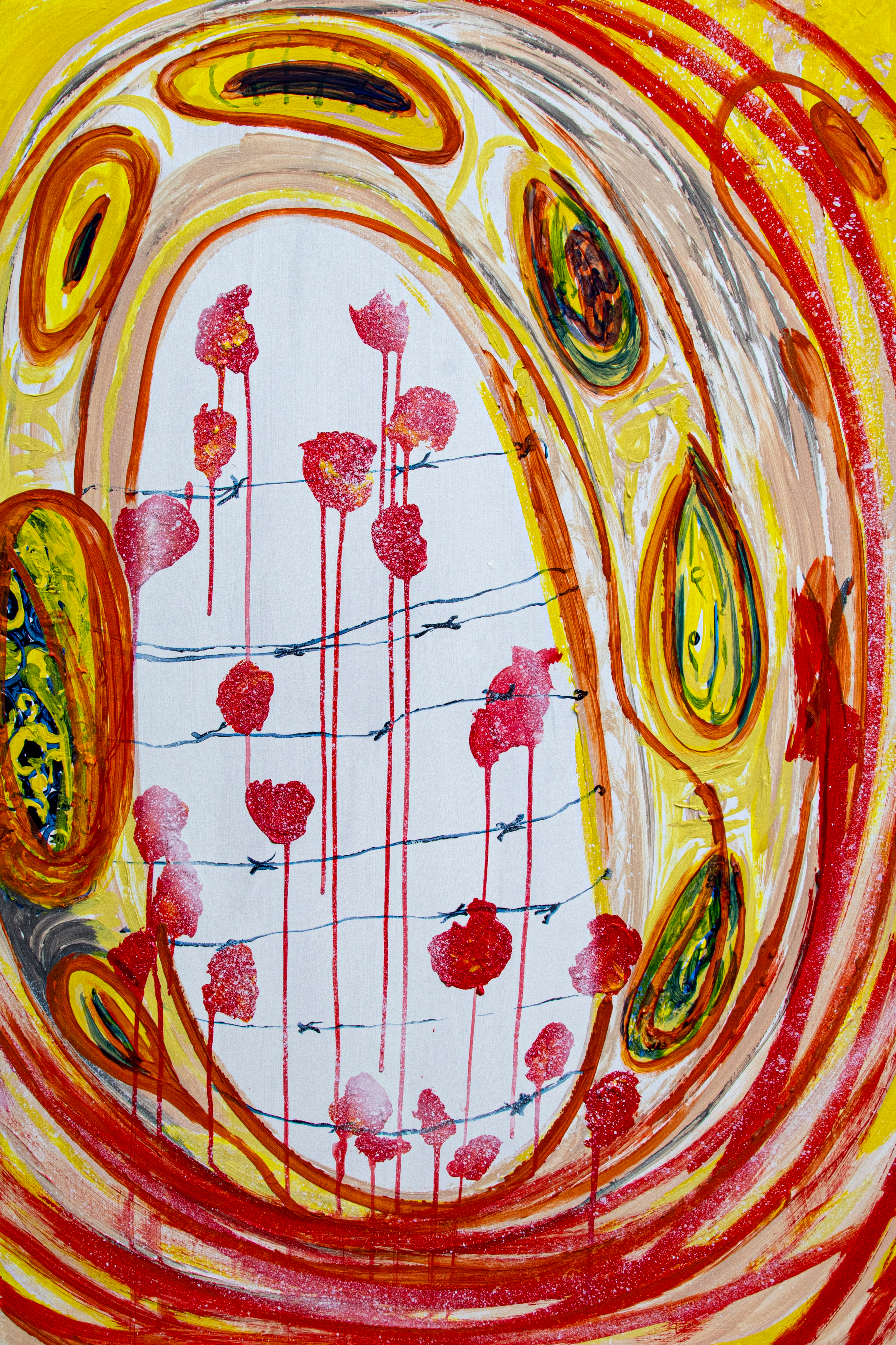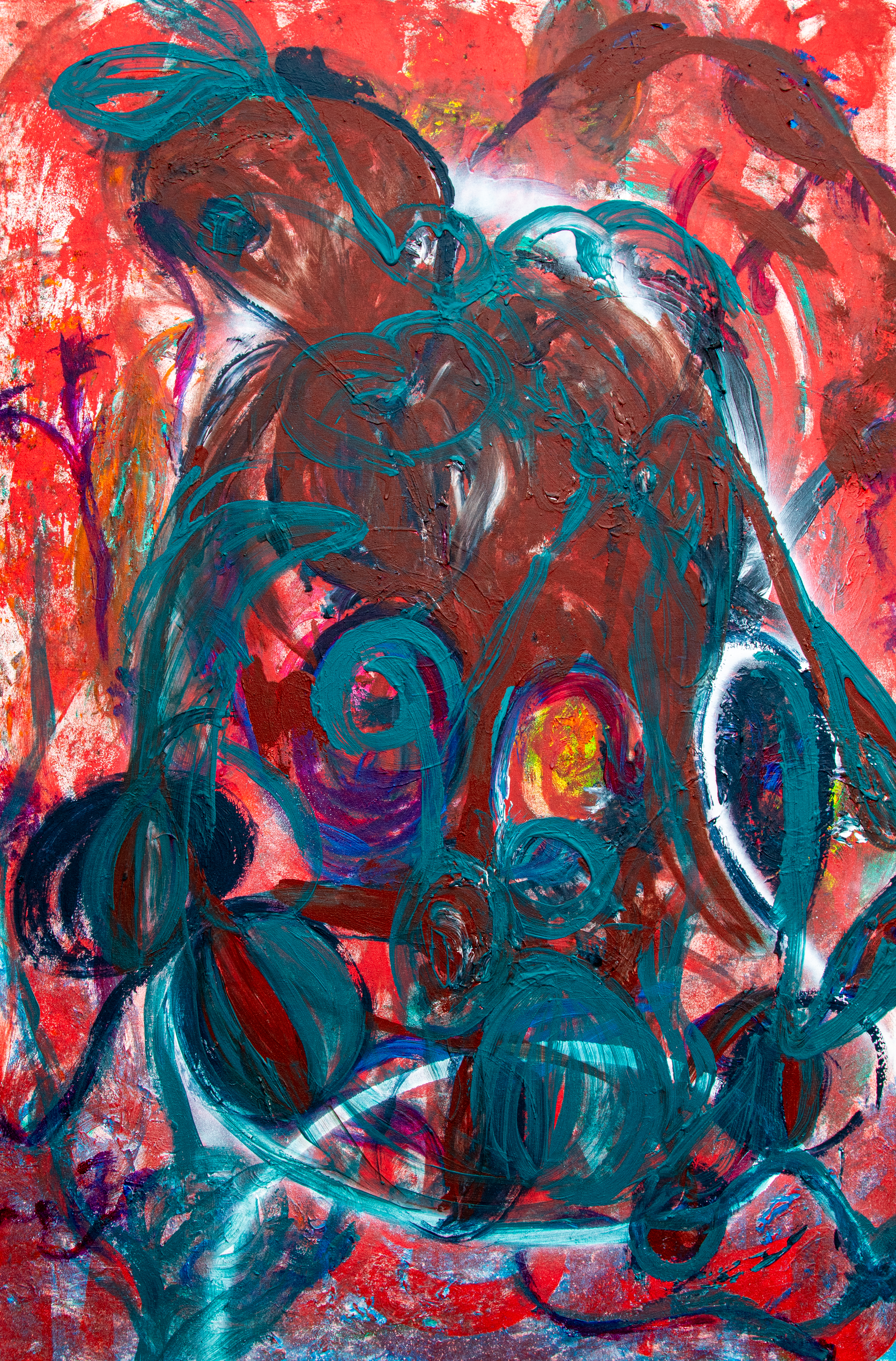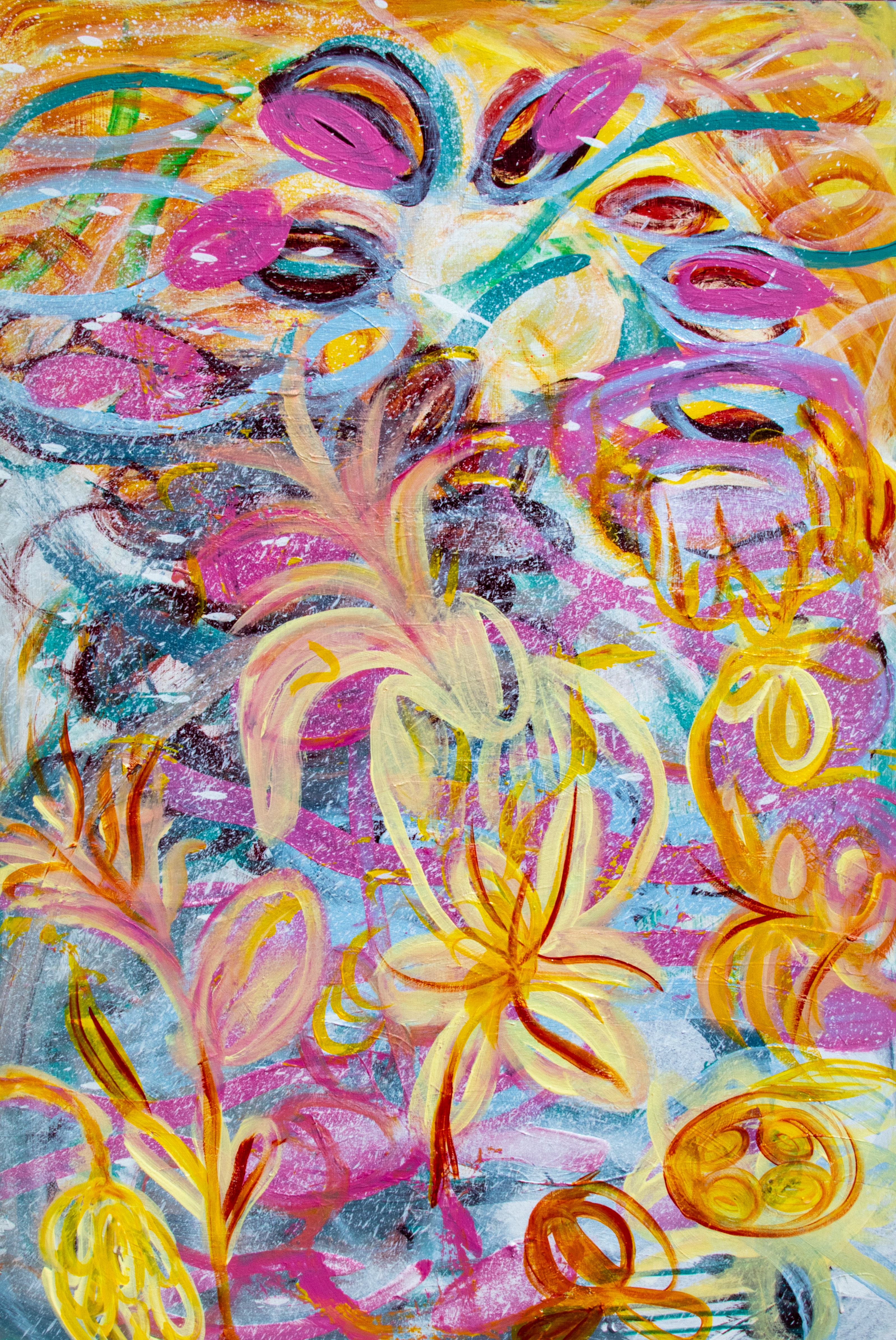
Most galleries start with walls and find artists to fill them. The Line did it backwards — and that inversion is the whole point.
In October 2022, Ryan (the artist known as MintFace) founded The Line as a purely digital movement. One thousand positions on a blockchain. Artists from around the world claiming a spot and placing their work permanently on-chain — secured, provenance-stamped, impossible to counterfeit or lose. The community formed in the cloud first. The walls came later.
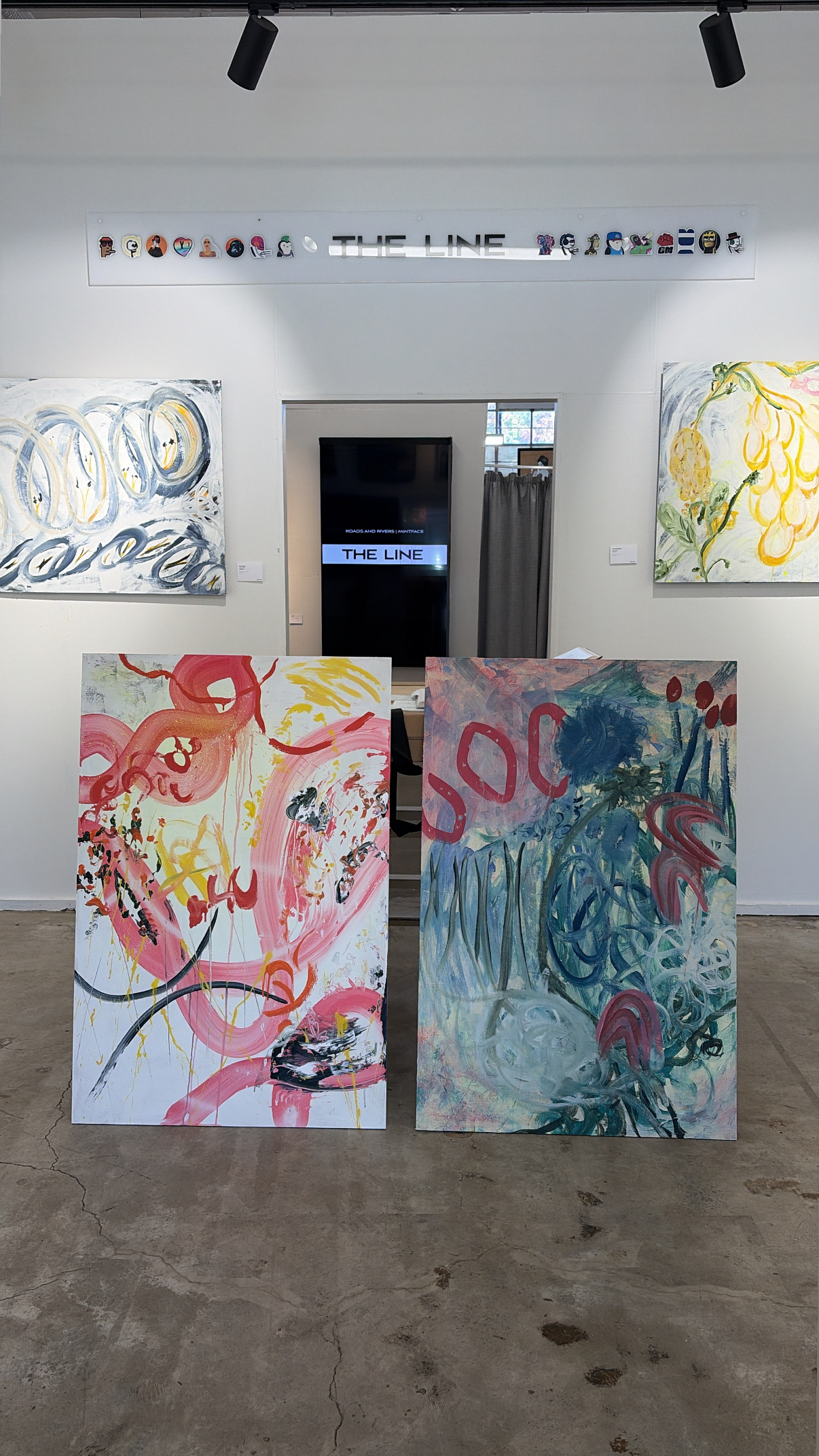
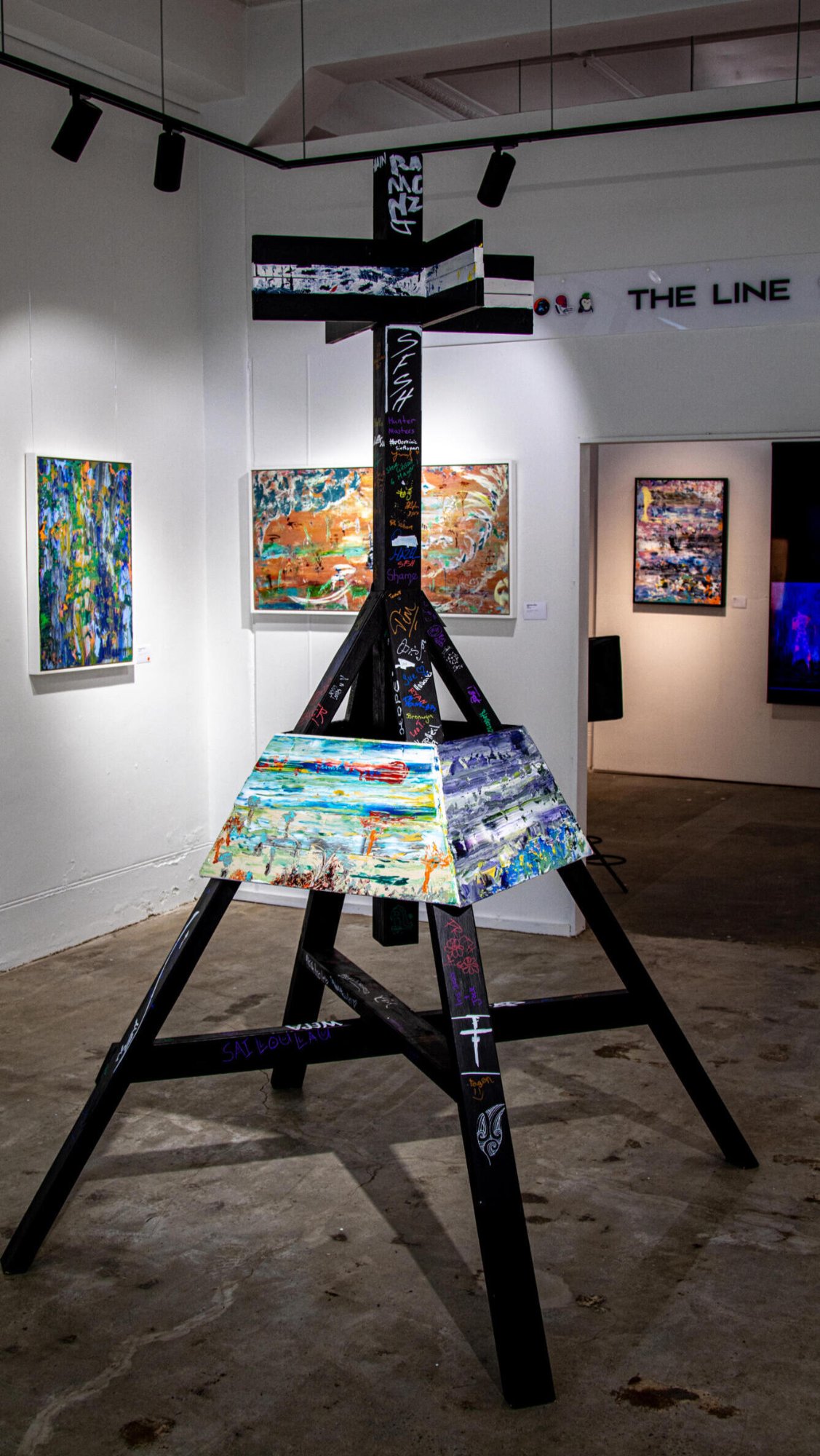
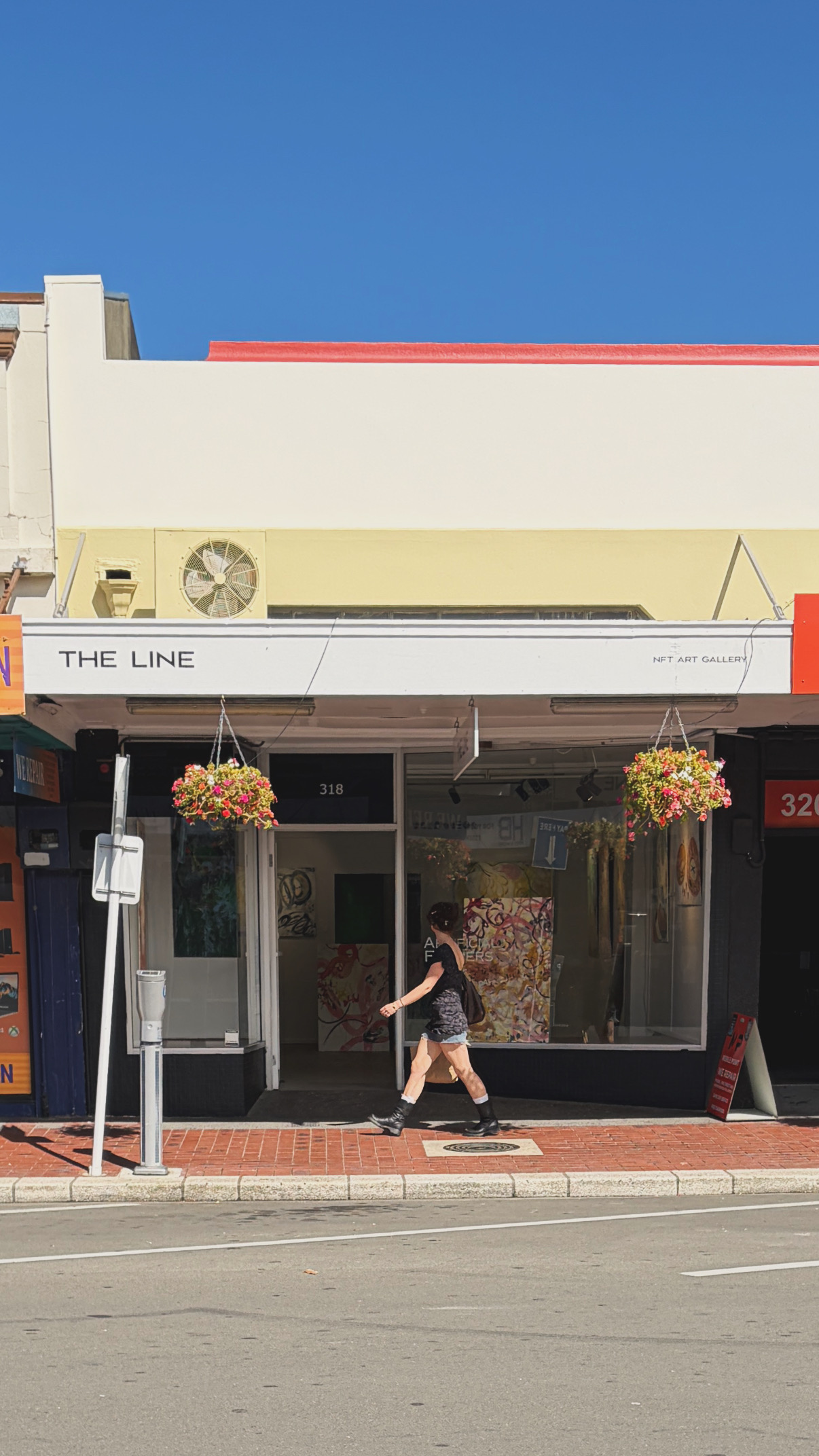
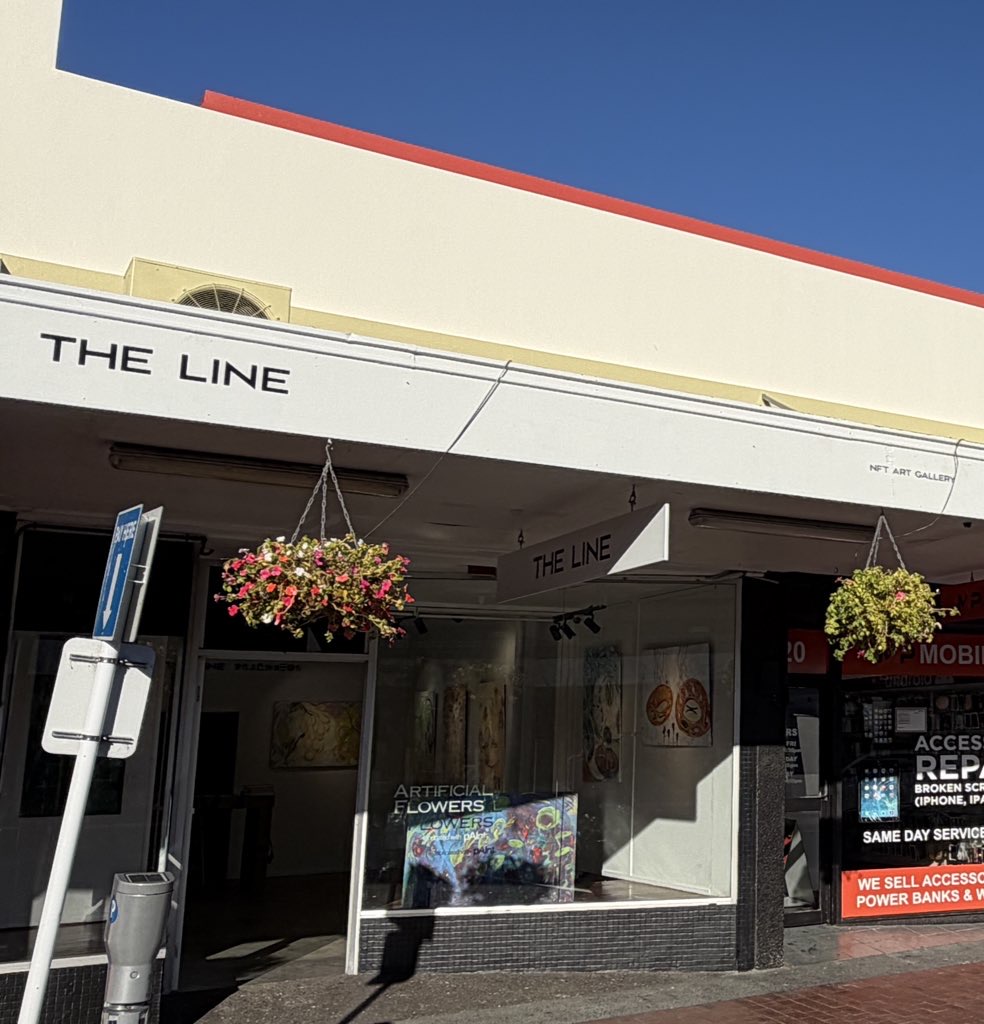
Today The Line has 792 artists across 82 countries, with 899 of its 1,000 positions filled. The physical gallery at 318 Heretaunga Street West exists as proof of something that most people in a regional New Zealand city have never encountered up close: digital art history, made visible on a wall you can walk past on a Thursday afternoon.
"Art is best shown where it's needed most. And art has always been a catalyst for transformation in cities."
New York's transformation began when artists moved into Lower Manhattan after World War Two. Ponsonby in Auckland — once considered the wrong end of the city — was colonised by artists, then students, then cafes and restaurants, and is now one of the most in-demand postcodes in New Zealand. Notting Hill was the dodgy postcode in 1970s London. Carnival is part of the story. Culture is the rest.
Ryan knows this pattern well. His family has lived in Hawke's Bay for close to five decades and has run retail in the Hastings CBD since the 1980s. Despite being a digital-first creative, it was always going to come back to a physical space somewhere. When Balaji Srinivasan published his Network State thesis — a framework for building new societies by organising online first and acquiring a physical presence next — it provided the intellectual roadmap for what The Line was already becoming.
Cloud first. Land last. 318 Heretaunga Street West is where The Line landed.